
Reliable Crawl Space Repair for a Dry, Safe Home Environment
Basement Waterproofing & Foundation Repair in Illinois & Wisconsin | Free Inspections from Dry Otter
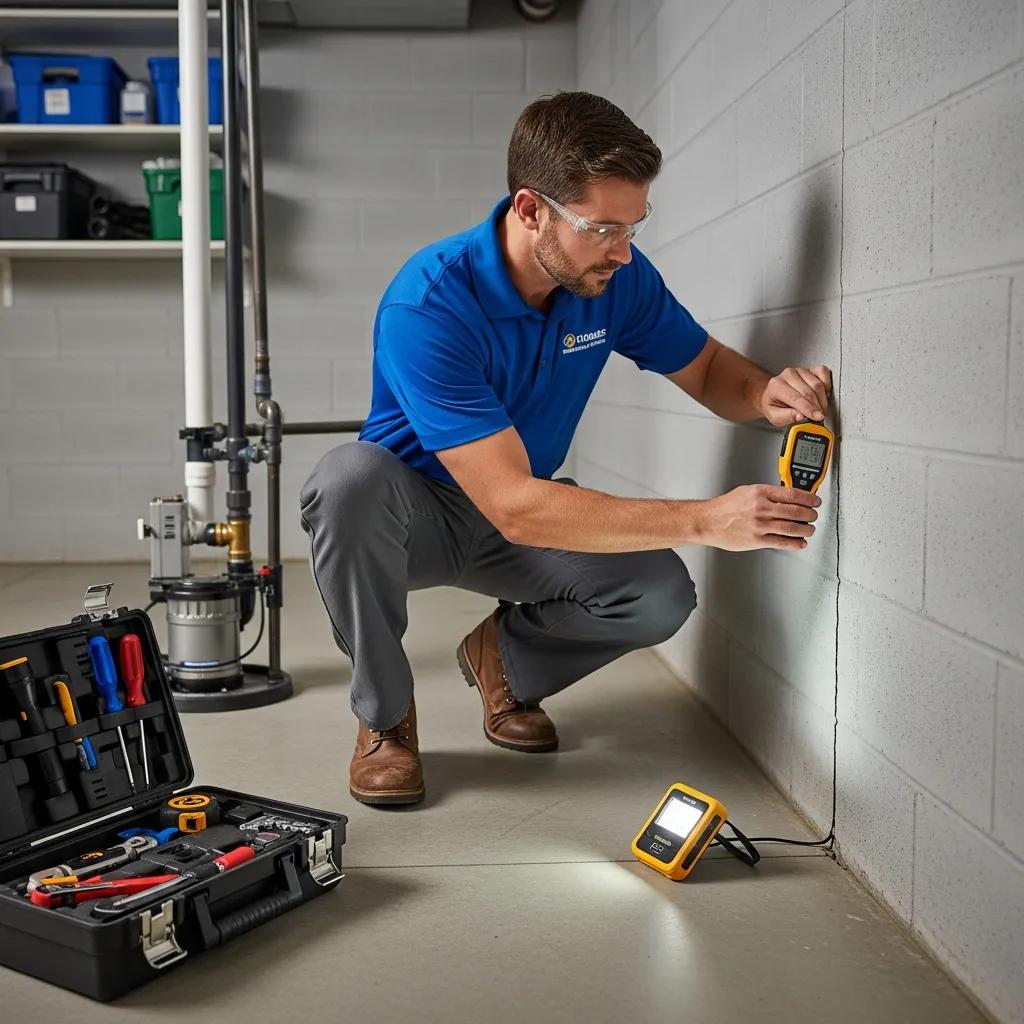
Water intrusion and unstable soil threaten a home’s structure, indoor air quality, and value. This guide explains how wet basements, foundation cracks, bowed walls, and damp crawl spaces develop across Illinois and Wisconsin, why regional soils and freeze–thaw cycles matter, and which proven repairs restore stability and reduce future risk. You’ll learn to spot early warning signs, weigh interior versus exterior waterproofing, compare common fixes like crack injection and helical piers, and evaluate crawl space encapsulation and dehumidification to prevent mold. We also cover when a sump pump makes sense, how dehumidifiers support drainage, and how local conditions in Chicago, Rockford, Milwaukee, and Madison change the recommended approach. Finally, we explain how Dry Otter applies these solutions and invite you to schedule a free inspection to assess risk and outline next steps.
What Are the Common Signs and Causes of Basement and Foundation Problems in Illinois and Wisconsin?
Basement and foundation trouble shows up as visible symptoms driven mostly by water, soil movement, and seasonal stress. Moisture raises hydrostatic pressure and makes expansive clays swell; freeze–thaw cycles and poor exterior drainage encourage cracks and lateral wall movement; and aging construction details can fail under shifting loads. Recognizing symptoms early lets you choose focused fixes—grading correction, interior French drains, or structural underpinning—before problems escalate. Below are the most common signs and the likely causes to help you decide when a professional inspection is needed.
Common signs and likely causes:
Cracks in walls or floors: often from settlement, expansive clay soils, or repeated temperature cycles.
Efflorescence and white mineral deposits: a sign that water is moving through concrete.
Bowing or bulging walls: typically caused by lateral soil pressure and inadequate exterior drainage.
Standing water or wet spots: usually from surface runoff, blocked drains, or a failing perimeter drain.
Musty odors and visible mold: result from prolonged high humidity or hidden leaks.
Spotting these indicators leads to targeted detection steps that confirm moisture sources and structural issues.
What Are the Signs of a Wet Basement and How Can You Detect Moisture Problems?
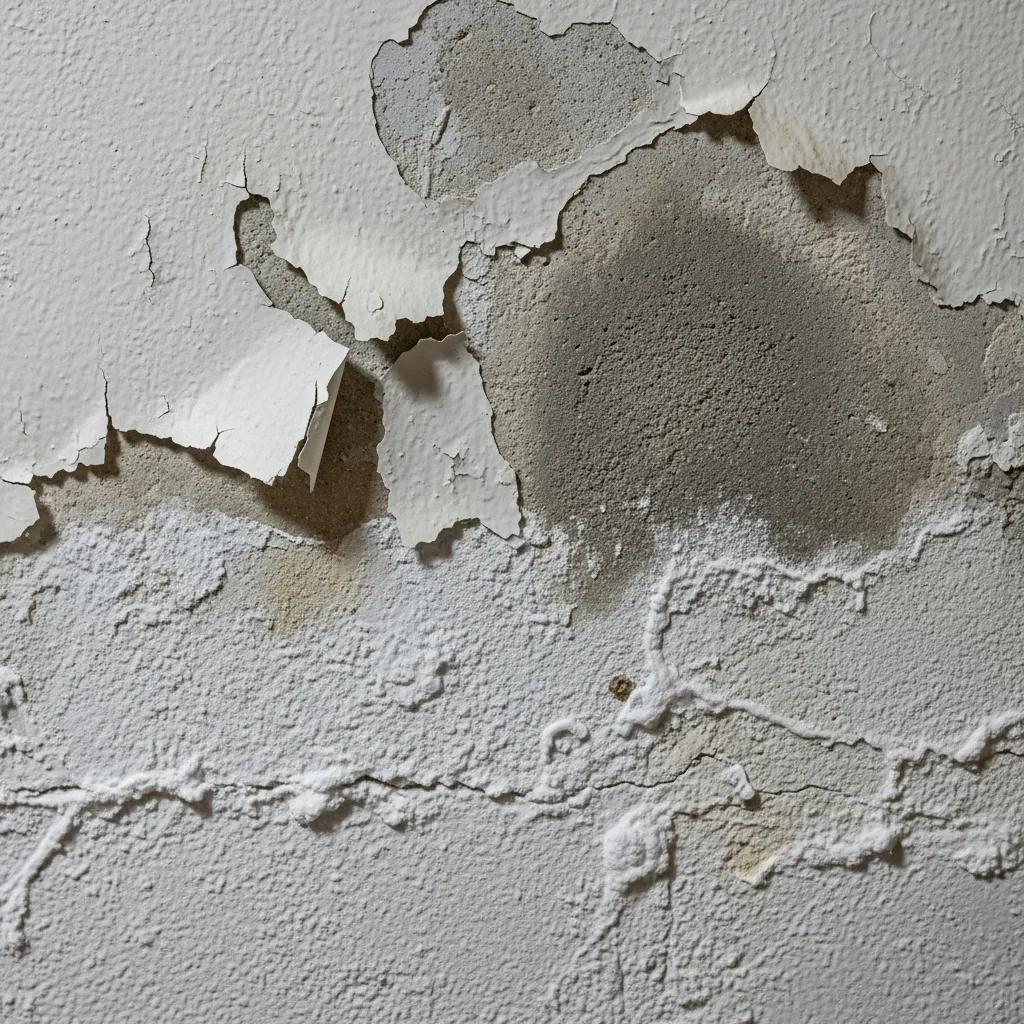
A wet basement gives clear visual and sensory clues: peeling paint, discoloration, efflorescence, condensation on cold surfaces, or persistent mildew and musty smells. These point to surface water, hydrostatic pressure, or vapor migration through concrete. Simple tools—like a handheld moisture meter or a hygrometer to track relative humidity—help you separate transient condensation from active leaks. Inspecting after heavy rain often reveals entry points. Combining observations with instrument readings clarifies whether interior fixes (drain tile, sump) or exterior work (grading, membrane) are the right next step.
Why Do Illinois and Wisconsin Homes Experience Foundation Cracks and Bowing Walls?
Expansive clay soils and freeze–thaw cycles drive much of the foundation stress we see in Illinois and Wisconsin. Clay swells when wet and shrinks when dry, producing differential movement that shows up as vertical or diagonal cracks and inward bowing. Urban runoff, poor grading, and clogged gutters concentrate water near footings and amplify freeze–thaw damage—older homes with shallow footings or limited drainage are especially vulnerable. That’s why effective repairs must control moisture and resist lateral soil forces.
How Do Crawl Space Issues Affect Home Foundations in the Midwest?
Damp crawl spaces accelerate wood rot, pier settlement, and vapor migration that can weaken foundation performance and indoor air quality. High humidity and standing water promote fungal decay in joists and girders, which causes sagging floors and uneven loads that stress foundation walls and footings. Moisture and spores can migrate into living spaces and reduce HVAC efficiency. Effective crawl space solutions combine vapor barriers, perimeter drainage, and dehumidification to stop moisture-driven deterioration and stabilize floor framing.
Which Basement Waterproofing Solutions Does Dry Otter Offer for Illinois and Wisconsin Homes?
Waterproofing options range from interior drainage systems that manage water once it enters the foundation to exterior systems that stop water before it hits the wall. Interior solutions—like drain tile and interior French drains—channel water to a sump pump with minimal exterior disruption. Exterior membranes and footer drains stop infiltration at the soil–wall interface but require excavation. Sump pumps with battery backup protect during storms and power outages, and dehumidifiers keep humidity below mold-prone levels.
Typical waterproofing approaches and benefits:
Approach
Characteristic
Best Use / Benefit
Interior French drain (drain tile)
Channels water along the footing to a sump
Effective when exterior access is limited; minimally disruptive
Exterior membrane & footer drain
Blocks water at the soil–wall interface
Best for persistent exterior seepage and long-term wall moisture reduction
Sump pump system with backup
Collects and ejects infiltrating water
Prevents standing water and reduces flood risk during heavy rain
This comparison clarifies trade-offs—disruption, cost, and long-term performance—so homeowners can choose the system that fits site conditions and budget.
Dry Otter performs these core waterproofing services across Illinois and Wisconsin and offers a free inspection to recommend durable, code-aware solutions tailored to each property. After inspection, we deliver a prioritized plan that focuses first on moisture control (drainage, sump pump) and then on environmental controls (dehumidification, vapor barrier), aligning repairs with long-term maintenance.
How Do Interior and Exterior Basement Waterproofing Methods Work?
Interior systems capture water that reaches the footing and direct it to an interior drain and sump pump. Exterior systems stop water in the soil before it contacts the foundation. Interior French drains are installed along the footing and routed to a sump basin that pumps water away—fast to install and useful where excavation isn’t feasible. Exterior membranes and footer drains require excavation to apply a waterproof coating and place a catch basin at the footing, which reduces hydrostatic pressure. Choice depends on access, existing water paths, desired lifespan, and budget.
What Are the Benefits of Sump Pump Installation and Basement Drainage Systems?
Sump pumps and integrated drainage reduce hydrostatic pressure, prevent standing water, and protect finished basements from flooding and mold. A properly sized sump with reliable float controls, discharge piping, and battery backup keeps water moving during storms and outages; alarms alert you to failures before damage begins. Regular maintenance—testing the pump, clearing inlets, and checking discharge—keeps the system dependable. Paired with drainage, a correctly installed sump pump is the operational core of interior waterproofing.
How Does Basement Dehumidification Prevent Mold and Moisture Damage?
Dehumidification lowers relative humidity (typically below 50%) to stop mold, reduce condensation, and protect stored items and finishes. Continuous-run dehumidifiers sized for the basement remove moisture from the air, reducing the vapor gradient that drives condensation in walls and insulation. Proper placement, condensate routing, and routine maintenance (filter and coil care) keep units efficient. Dehumidification complements drainage and vapor control—once bulk water is handled, humidity control prevents secondary moisture problems.
What Foundation Repair Services Are Available to Fix Cracks, Bowing Walls, and Sagging Floors?
Foundation repairs target the root cause—settlement, lateral pressure, or material deterioration—to restore load paths and stop movement. Options include crack injection for leaks, epoxy for structural cracks, helical piers or underpinning for settlement, and wall anchors or carbon fiber reinforcement for bowing walls. Choosing a method depends on severity, ongoing soil movement, load demands, and desired permanence; a complete plan often pairs drainage fixes with structural stabilization.
Repair methods matched to problems:
Repair Method
Suitable Problem
Expected Result / Durability
Epoxy or polyurethane crack injection
Water-seeping or non-separating cracks
Seals leaks; epoxy can restore structural capacity
Helical piers (underpinning)
Ongoing settlement and sinking foundations
Stabilizes and can lift settled foundations; long-term fix
Wall anchors / carbon fiber straps
Inwardly bowing walls
Stops lateral movement; often adjustable or reversible
Dry Otter performs these repairs and offers a free inspection so homeowners understand whether injection, underpinning, or wall stabilization best addresses their symptoms. Recommendations prioritize safety and long-term performance while avoiding unnecessary invasive work.
How Does Foundation Crack Repair Restore Structural Integrity?
Crack repair starts by determining whether a crack is active or dormant and whether it affects structure or only water-tightness. Epoxy injection bonds and can restore structural capacity; polyurethane foam expands to seal water paths and stop leaks but is less structural. Proper surface prep, routing, and post-repair monitoring lower recurrence risk. When movement is active, injections are often interim measures paired with underpinning—combining crack work with drainage fixes addresses root causes and reduces return visits.
What Are Bowing Wall Repair and Foundation Underpinning Techniques?
Bowing wall repairs range from low-impact carbon fiber straps and wall anchors to full underpinning when lateral pressure is severe. Carbon fiber adds tensile strength with minimal excavation; wall anchors use exterior plates and internal anchors to apply opposing tension and can gradually straighten walls. Underpinning with helical or concrete piers transfers loads to competent soil below active layers, correcting settlement and preventing further subsidence. Selection depends on measured deflection, wall condition, and soil testing that define the intervention needed.
When Is Pier and Beam Repair or Slab Jacking Recommended?
Pier and beam repairs and slab jacking both address uneven floors and settlement but suit different cases. Slab jacking (polyjacking) is ideal for localized sunken slabs—garages, sidewalks—where lifting restores level quickly and affordably. Helical or push piers are used when a continuous foundation has lost bearing capacity and requires deep support beneath load-bearing elements. Evaluating load paths, the extent of settlement, and whether movement is ongoing determines whether lifting or full underpinning is the right choice.
How Does Crawl Space Encapsulation and Repair Protect Your Home’s Foundation?
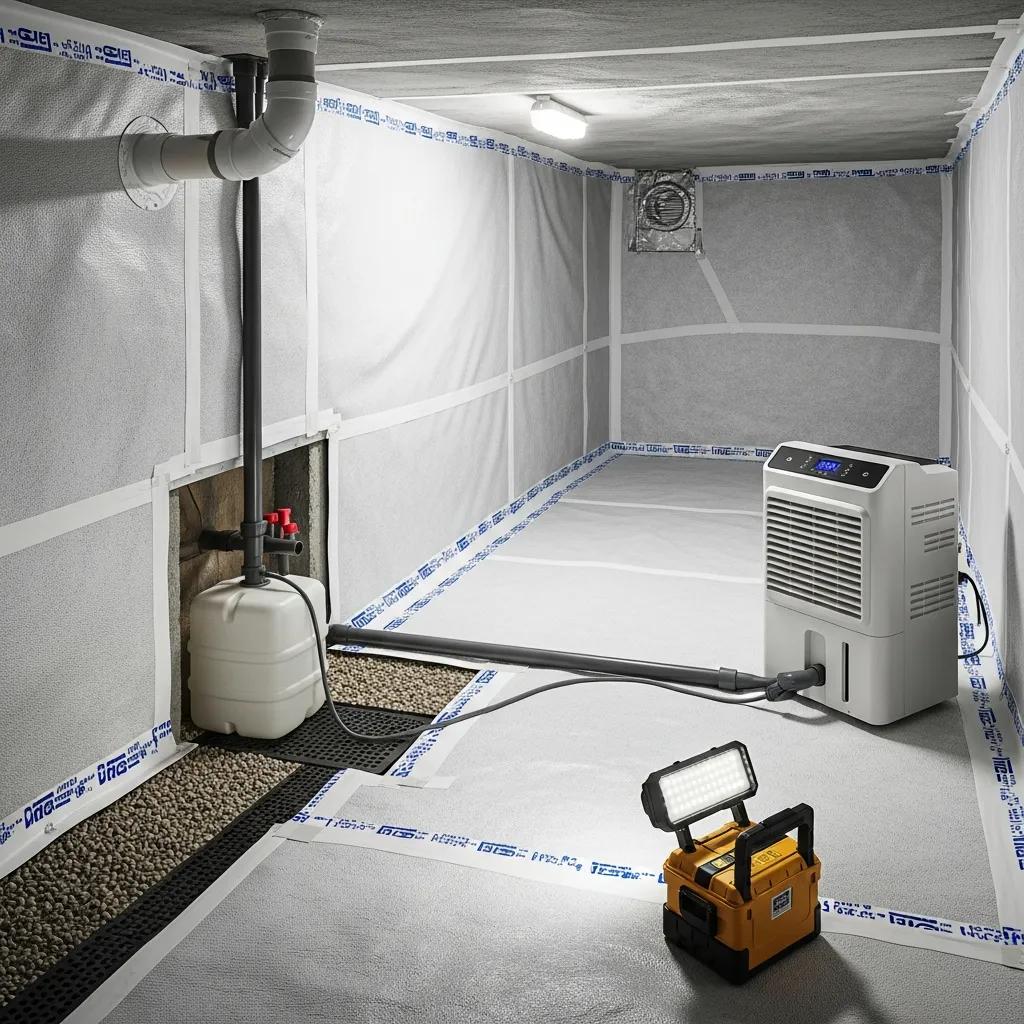
Encapsulation controls vapor and water with a continuous vapor barrier, sealed vents, and perimeter drainage to reduce wood rot, stabilize joists, and stop vapor migration into living spaces. Turning the crawl space into a conditioned envelope limits humidity swings that stress the foundation and promote mold, improving indoor air quality and HVAC efficiency. Structural repairs—sistering joists, installing new piers, or adjusting supports—restore load distribution and prevent progressive sagging.
Encapsulation components and long-term benefits:
Encapsulation Component
Function / Attribute
Long-term Benefit
Vapor barrier (reinforced)
Blocks soil moisture and reduces radon entry
Lowers humidity and mold risk; protects wood framing
Drainage mat / perimeter channel
Directs water to a sump or exterior drain
Prevents standing water and undermining of piers
Crawl space dehumidifier
Reduces and stabilizes relative humidity
Prevents condensation and fungal growth
Dry Otter offers crawl space encapsulation and the structural repairs that often accompany it as part of an integrated moisture-control strategy. We provide a free inspection to help homeowners decide whether encapsulation plus targeted repairs is the best long-term investment. Many homeowners who prioritize foundation longevity choose combined encapsulation and dehumidification to protect both structure and indoor environment.
What Is Crawl Space Encapsulation and How Does It Prevent Mold Growth?
Encapsulation seals the earth floor and foundation walls with a continuous heavy-gauge vapor barrier, seals vents and penetrations, and often adds a drainage solution to keep water away from wood framing. This prevents moist soil air from entering, reduces condensation on cold structural members, and lowers relative humidity—conditions that limit fungal growth. Making the crawl space a conditioned cavity also makes dehumidifier installation and inspections easier, supporting long-term monitoring and maintenance.
How Do Vapor Barrier Installation and Structural Repairs Improve Crawl Space Health?
A well-installed vapor barrier uses durable material with overlapped, sealed seams to create a continuous membrane that blocks moisture and helps limit radon entry. Structural repairs restore load paths and replace rot-damaged framing. Selecting puncture-resistant materials and sealing seams ensures the barrier holds up to access and pest activity. Structural fixes—sistering joists or replacing failed piers—reestablish uniform bearing and reduce point loads that cause settling; combined with a vapor barrier, these measures slow future deterioration. Periodic inspections confirm barrier integrity and the effectiveness of load corrections.
What Role Do Crawl Space Dehumidifiers Play in Moisture Management?
Dehumidifiers remove moisture from crawl space air and work with barriers and drainage to keep the environment dry and stable. Capacity selection is based on crawl space volume and moisture load; continuous operation with properly routed condensate or a pump ensures control. Regular maintenance—filter replacement, coil cleaning, and occasional service—preserves performance and efficiency. When paired with encapsulation, a dehumidifier creates a predictable climate that prevents condensation, protects structural members, and reduces mold risk.
Where Does Dry Otter Provide Basement Waterproofing and Foundation Repair Services in Illinois and Wisconsin?
Dry Otter serves homeowners across Illinois and Wisconsin, tailoring solutions to local soils, climate, and building stock rather than using one-size-fits-all fixes. Northern Illinois locations such as Chicago and Rockford face expansive clay and urban runoff that often call for drainage upgrades and targeted underpinning. Wisconsin areas like Milwaukee and Madison deal with freeze–thaw cycles and seasonal saturation that require attention to insulation, frost depth, and drainage design. Understanding these local patterns guides the choice of interior versus exterior waterproofing, pier sizing, and crawl space specifications. Homeowners in these regions can schedule a free inspection for site-specific recommendations.
What Are the Unique Basement and Foundation Challenges in Illinois Cities Like Chicago and Rockford?
Chicago, Rockford, and similar Illinois cities commonly sit on expansive clay, have older foundations, and face concentrated urban runoff. Shallow footings and limited perimeter drainage make structures more prone to settlement and inward wall movement as soils cycle between wet and dry. Impervious surfaces and grading constraints increase concentrated water near foundations, so surface drainage, properly routed gutters, and interior drainage are frequent priorities. Regular inspections and proactive drainage fixes reduce the chance of large-scale foundation repairs.
How Does Dry Otter Tailor Solutions for Wisconsin Areas Including Milwaukee and Madison?
In Wisconsin, freeze–thaw cycles and seasonal saturation shape waterproofing and repair strategies. Designs consider insulation, frost depth, and thermal bridging to reduce frost heave and repeated movement near footings. Subgrade drainage and mechanical moisture control are common features, and local permitting influences repair choices. We build plans for durability through harsh winters and high-moisture seasons, recommending exterior membranes, deeper piers, or enhanced interior drainage based on site-specific assessment.
What Do Local Homeowners Say About Dry Otter’s Services?
Project feedback commonly highlights thorough inspections, clear explanations of causes and solutions, and repairs that address moisture sources before structural fixes. Homeowners consistently value minimal disruption, transparent scopes of work, and follow-up guidance to keep repairs effective. Gathering structured reviews helps future customers evaluate responsiveness and workmanship, and a free inspection provides a no-obligation way to compare options and make informed decisions.
Why Should Homeowners Schedule a Free Basement Waterproofing and Foundation Inspection with Dry Otter?
A free professional inspection identifies hidden moisture paths, documents structural symptoms, and delivers prioritized remediation options to prevent small problems from becoming costly structural repairs. During an inspection, our trained assessor evaluates visible cracks, records humidity and moisture readings, inspects exterior grading and gutters, and outlines recommended steps—from drainage fixes to underpinning—so you get a clear scope and a cost-minded rationale. Early detection often lets you choose lower-cost remedies such as crack injection or interior drainage instead of full underpinning, preserving property value and avoiding emergency repairs. Schedule a free inspection to receive a documented, no-obligation plan.
What Can You Expect During a Professional Free Inspection?
A typical inspection includes a visual assessment of interior and exterior conditions, moisture readings with instruments, documentation of cracks and movement, and an evaluation of drainage and HVAC interactions that affect humidity. Inspectors photograph evidence, log moisture and humidity values, and explain whether symptoms indicate active movement or past settlement. The inspection delivers a prioritized written summary outlining immediate actions, medium-term repairs, and monitoring advice to avoid unnecessary work. This diagnostic approach gives homeowners clarity on scope, timing, and potential cost savings.
How Does Early Detection Save Money and Prevent Extensive Damage?
Early detection lets you use less invasive, lower-cost solutions—like spot crack injection, sump pump installation, or grading corrections—instead of waiting for progressive settlement that requires underpinning or wall replacement. Addressing moisture and minor structural issues quickly reduces the risk of mold remediation, joist replacement, and large excavations that drive up cost and disruption. A documented inspection timeline and staged repairs protect property value and avoid emergency measures that carry premium pricing. Investing in an early assessment buys financial leverage and peace of mind.
How to Schedule Your Free Inspection in Illinois or Wisconsin Today?
Before your free inspection, note any visible symptoms (cracks, musty smells, prior flooding), the home’s age, and recent events like heavy storms or nearby grading changes. When you schedule, request a full assessment that includes moisture mapping, structural observations, and a written estimate so you can compare options with confidence. Timing matters—before spring melt or ahead of wet seasons is often best so corrective work can be completed before water tables rise or freeze–thaw stresses increase. A free inspection identifies priority actions and delivers a clear, no-obligation path forward.
Frequently Asked Questions
What is the importance of basement waterproofing for homeowners?
Basement waterproofing protects the home’s structure, prevents mold growth, and improves indoor air quality. By stopping water intrusion, it preserves property value and avoids costly repairs from damp-related damage. A dry basement is also more usable for storage or finished living space. In short, waterproofing is a proactive investment in the home’s health and longevity.
How can I tell if my basement waterproofing system is working effectively?
Check regularly for damp spots, mold, or musty smells. Test the sump pump during a heavy rain or run a manual test to ensure it activates; make sure discharge lines are clear. Monitor humidity with a hygrometer—values consistently above 50% suggest inadequate control. If you see new signs of water intrusion or elevated humidity, arrange a professional assessment.
What are the long-term benefits of crawl space encapsulation?
Encapsulation improves indoor air quality, reduces energy costs, and strengthens structural integrity by keeping moisture out. Sealing the crawl space prevents mold and wood rot, protects foundation components, and helps HVAC systems run more efficiently. Over time, homeowners see fewer moisture-related repairs and greater comfort.
How often should I have my basement inspected for moisture issues?
We recommend a baseline inspection at least once a year—especially before the rainy season or after major weather events. Regular checks help catch problems early and allow timely interventions. Also schedule an inspection if you notice cracks, dampness, or musty odors.
What factors influence the cost of foundation repair services?
Costs vary with the severity of damage, chosen repair method, site accessibility, and the size of the area needing work. Local labor rates and any required drainage improvements or permits also affect price. A thorough inspection provides an accurate, site-specific estimate.
Can I perform basement waterproofing myself, or should I hire a professional?
Minor tasks—sealing small cracks or adding simple surface sealers—can be DIY, but comprehensive waterproofing and structural repairs are best handled by professionals. Pros have the tools, experience, and code knowledge to diagnose root causes and install durable solutions that protect your investment.
What should I do if I notice signs of water damage in my basement?
Act quickly: identify and stop the moisture source if possible (redirect downspouts, clear gutters), then contact a professional for a full inspection. Early assessment helps determine the right waterproofing and repair strategy to prevent further damage and protect the home’s long-term health.
Conclusion
Addressing basement and foundation moisture now preserves your home’s structure, indoor air quality, and value. By pairing targeted waterproofing with the right structural repairs, you can prevent costly future problems. Schedule a free inspection with Dry Otter to get tailored recommendations and a clear plan for a safer, drier home.
