Effective Wet Basement Repairs: Your Comprehensive Guide
Basement Waterproofing and Wet Basement Solutions: How to Repair, Prevent, and Manage Water Damage in 2025
By Jonathan Welter, Owner of Dry Otter Basement Solutions — Expert in Basement Waterproofing and Foundation Repair.
Jonathan Welter brings over 20 years of experience helping homeowners prevent basement water leaks, install sump pump systems, and protect their homes with proven waterproofing solutions across the Carolinas.
Modern Basement Waterproofing Systems to Keep Your Home Dry and Protected Basement Waterproofing and Wet Basement Solutions: How to Repair, Prevent, and Manage Water Damage
A wet basement is any below-grade space where unwanted water or persistent moisture undermines structural materials, indoor air quality, or finished living areas. Understanding a wet basement requires recognizing both the visible symptoms—standing water, peeling paint, mold—and the underlying mechanisms like hydrostatic pressure, poor grading, and plumbing failures that drive water intrusion. This article explains why wet basements form, how to spot early warning signs, and which repair and prevention strategies deliver lasting results for homeowners and property managers. You will learn practical diagnostics, a clear comparison of interior versus exterior waterproofing methods, up-to-date 2025 cost guidance, and a maintenance schedule to prevent recurrence. Practical checklists and comparison tables are included so you can evaluate methods, ask informed contractor questions, and weigh long-term value versus upfront cost. Read on for targeted, actionable steps to fix a wet basement, reduce humidity and mold risk, and make smart choices about repairs and professional services.
What Are the Common Causes of a Wet Basement?
A wet basement is usually the result of external water forces or internal moisture sources that overwhelm a structure’s drainage and barrier systems. Hydrostatic pressure from saturated soil, foundation cracks, poor grading, clogged gutters, and internal plumbingleaks are the primary drivers that push water through concrete, block walls, and seams. Identifying the dominant cause is crucial because the repair approach differs: managing surface runoff requires grading and downspout work, while hydrostatic pressure often needs drainagesystems or sump pumps. The following list summarizes the most frequent root causes to help homeowners prioritize inspections and repairs. Understanding these causes leads directly to targeted diagnostic checks and the specific solutions described in the next section.
Common causes of wet basements include:
Hydrostatic pressure forcing groundwater through foundation walls or cracks when the soil becomes saturated.
Poor exterior grading and landscape features that direct surface runoff toward the foundation.
Blocked or undersized gutters and downspouts that dump water close to the house.
Plumbingleaks from supply lines, sewers, or appliances that introduce interior moisture.
Condensation and high basementhumidity that create damp conditions even without visible leaks.
These causes often interact, so a comprehensive inspection checks all potential sources before choosing a repair path.
How Do Foundation Cracks and Hydrostatic Pressure Cause BasementLeaks?
Hydrostatic pressure is the force exerted by groundwater when the soil around a foundation becomes saturated, and it pushes water into any weak point in the foundationsystem. Small hairline cracks, construction joints, or porous masonry become pathways under pressure, allowing steady seepage or sudden infiltration during heavy rain. Identifying whether seepage is hydrostatic (pressure-driven) versus capillary or condensation-driven involves checking exterior groundwater levels, patterns of wetting on the wall, and whether water appears after storms. Repair options range from epoxy or polyurethane crack injections for non-structural leaks to interior drainagesystems or exterior excavation with membranes when pressure is significant. Determining the mechanism of entry informs whether a structural underpinning or drainage upgrade will be required.
How Does Poor Grading and Drainage Lead to BasementWater Intrusion?
Poor grading places sloped soil and landscaping features that direct surface water toward the foundation, increasing the volume of water the foundationperimeter must handle. A safe guideline is to maintain at least a 5% slope away from the foundation for the first 10 feet; failing that, runoff pools or soaks into the soil and raises local groundwater levels. Gutters and downspouts that terminate close to the foundation exacerbate the issue by concentrating roof runoff at the base of walls, while compacted soils and hardscaping can prevent infiltration and force runoff along the foundation line. Simple DIY checks include measuring the slope with a level and tape or observing water flow during a heavy rain; fixes include regrading, extending downspouts, or installing surface drains. Addressing grading closes the loop between surface runoff control and subsurface drainagesolutions described later.
How Can You Identify Signs of a Wet Basement Early?
Detecting a wet basement early reduces repair costs, prevents mold growth, and protects finishes and stored belongings. The most reliable early indicators are visible surface changes, persistent musty odors, elevated relative humidity, and small pools or damp spots after precipitation events. Quick diagnostic checks include inspecting for efflorescence on walls, feeling for cold, damp patches, monitoring humidity with a hygrometer, and checking around plumbing fixtures and appliances for leaks. Recognizing these signs prompts targeted intervention—such as drying, dehumidification, and sealing minor leaks—before larger structural or mold issues develop. The following list summarizes early-identification signs homeowners should watch for to catch problems before they worsen.
Early signs to watch for:
Efflorescence or white mineral deposits on foundation walls, indicating moisture movement through masonry.
A persistent musty or mildew odor that suggests elevated humidity and possible mold growth.
Peeling paint, bubbled drywall, or warped flooring near perimeter walls after storms.
Visible damp spots, water stains, or small pools that appear following heavy rain.
High hygrometer readings (above 50% relative humidity) in the basement over several days.
Early recognition leads to targeted remediation steps such as drying, moisture control, and investigating the source of entry.
What Are the Visible Signs of Water Damage, Mold, and Efflorescence?
Efflorescence appears as a powdery white deposit on masonry when water carries dissolved salts to the surface and then evaporates, and it signals ongoing moisture migration through the wall. Mold and mildew growth often begin in hidden corners, behind insulation, or under floor coverings where humidity is consistently high, and visible colonies or black staining indicate that active moisture control and remediation are necessary. Water stains, bubbling paint, and warped wood or laminate flooring near perimeter walls point to episodic or chronic leaks that may require both source repair and cosmetic restoration. When visible mold appears, immediate steps include drying the area, increasing ventilation, and removing wet porous materials when contamination is significant. Understanding these signs helps homeowners decide whether simple drying and cleaning suffice or if professional mold remediation and structural repairs are needed.
How Does BasementHumidity Affect Mold Growth and Indoor Air Quality?
Basementhumidity directly influences mold colonization and indoor air quality because spores require sustained moisture to grow, and damp conditions promote volatile organic compounds and allergens that degrade air quality. Keeping basement relative humidity in the 30–50% range reduces the risk of mold growth and limits condensation on cold surfaces like concrete and pipework. Dehumidifiers sized for the basement volume, proper airflow, and sealing of obvious leak paths are practical controls to maintain safe humidity levels. Chronic high humidity, even without visible leaks, can cause hidden mold growth in insulation or wallsystems and lead to respiratory symptoms in sensitive occupants. Consistent monitoring and active moisture control therefore form a core part of preventing health risks and property damage.
A study examining semi-basements adjacent to a forested hillside found that using a dehumidifier significantly reduced indoor humidity and fungal spore concentrations.
Semi-Basement Fungal Spores and Humidity: Impact of Dehumidifier Use ABSTRACT: 抄録We studied airborne concentrations of fungal spores and the thermal environment in houses with semi-basements surrounded by a natural forest. We examined the relationship between airborne fungi and the thermal environment, surrounding natural environment, structures of houses and use of a dehumidifier. The subject residential area was located in the northern part of Nara city, Nara prefecture, Japan. Six detached houses were included in this study. In residential areas, outdoor airborne concentrations were high during summer and autumn, correlated with humidity. The presence of Basidiomycetes was particularly notable, although the indoor concentration was lower than the outdoor level. In the semi-basement rooms, relative humidity was nearly always >80% when the residence was built; however, both the indoor humidity and fungal concentrations decreased greatly when a dehumidifier was used in this study. High levels ofAspergillusand Basidiomycetes were detected in semi-basements. Basidi
What Are the Most Effective Basement Waterproofing Methods?
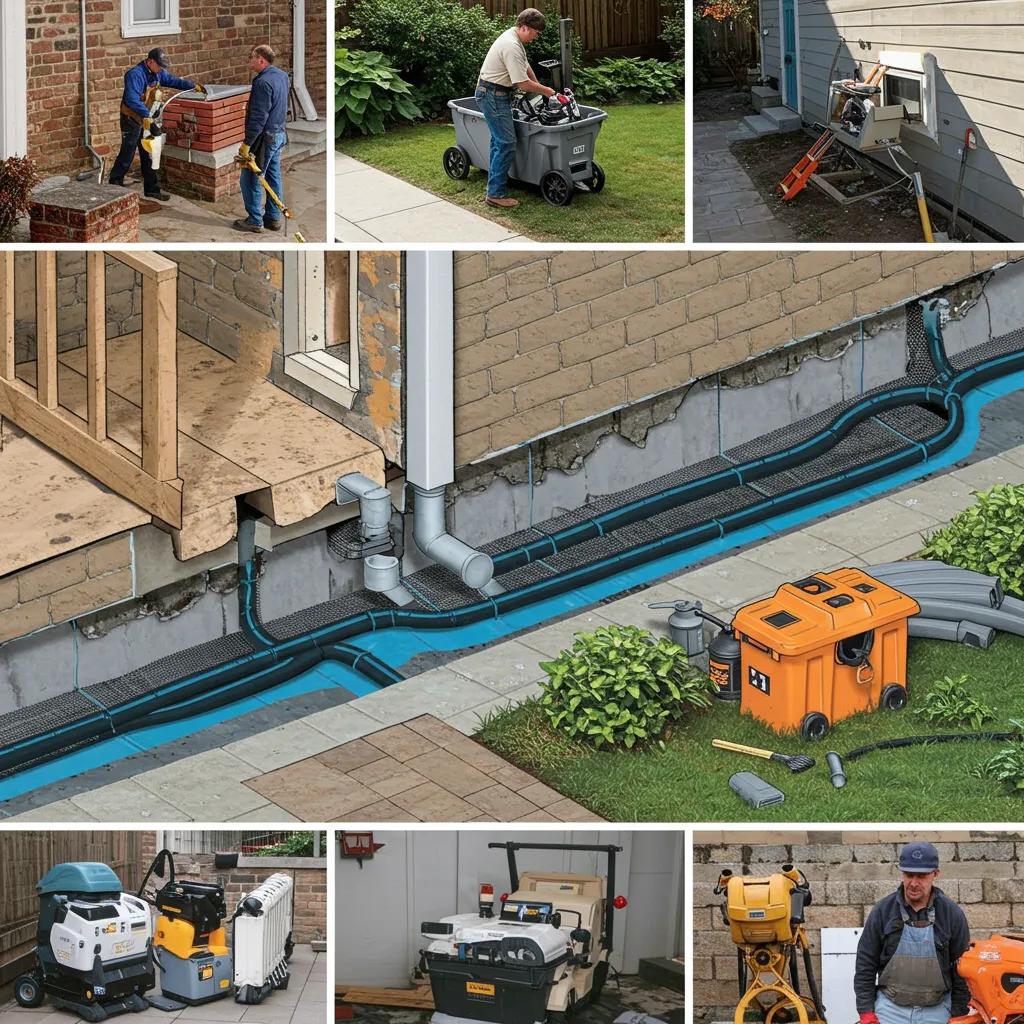
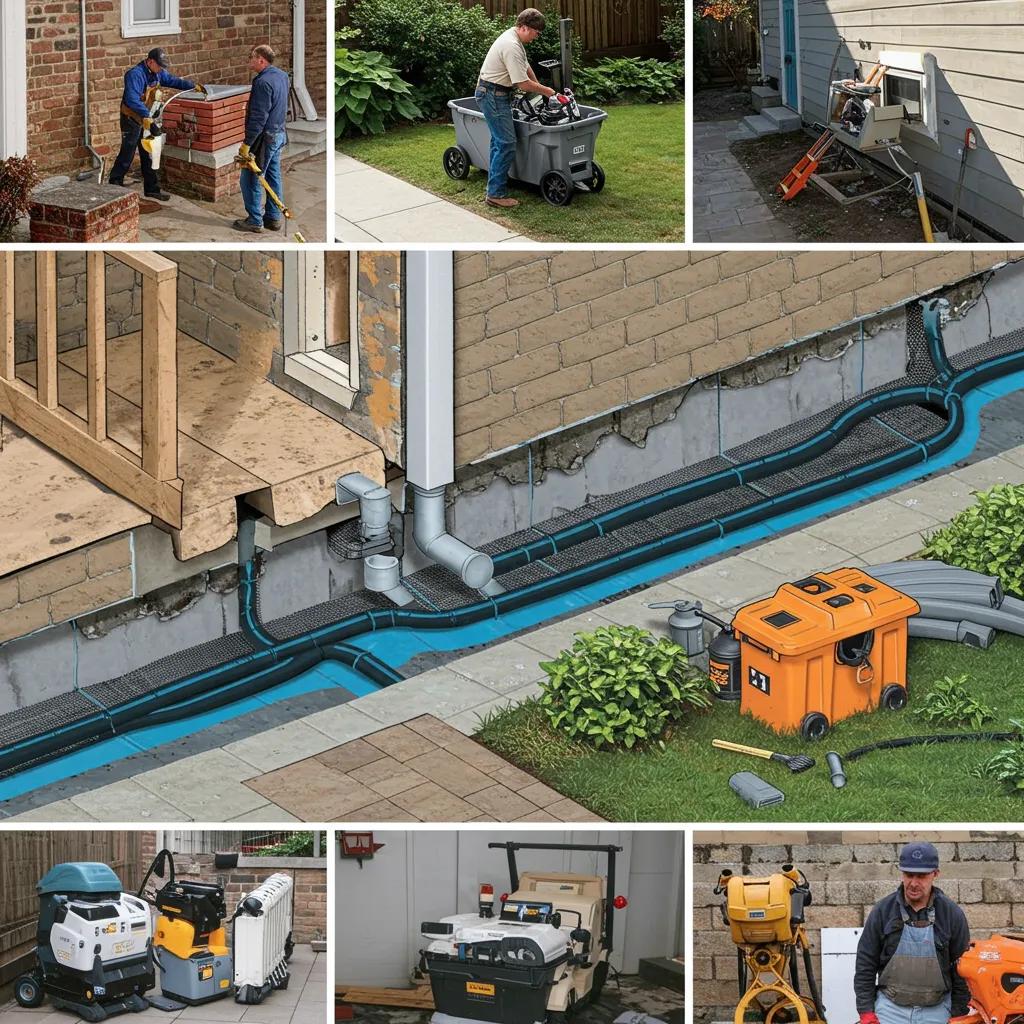
Basement waterproofing methods fall into two broad categories: interior systems that manage water after it enters the structure, and exterior systems that stop water before it reaches the foundation. Interior approaches—such as interior perimeter drains connected to a sump pump, sealed vapor barriers, and epoxy/crack injections—are often less invasive and lower initial cost, while exterior excavation with membranes and exterior French drains can provide a more comprehensive barrier against hydrostatic pressure. Choosing between methods depends on the moisture mechanism, landscape constraints, and budget; many homeowners combine interior drainage with exterior improvements for robust protection. Below are specific system descriptions and a comparison table to help weigh cost, lifespan, and best-use cases for each common method.
The primary interior and exterior methods include:
Interior perimeterdrainage tied to a sump pump that collects and pumps groundwater away from the foundation.
Exterior excavation with waterproof membranes and drainage layers that block water at the source.
Crack repair techniques (epoxy or polyurethane injection) that seal specific leak paths through the foundation.
These methods can be combined—interior drainage plus exterior membrane work often provides both immediate relief and long-term protection.
Intro to comparison table and purpose: the table below compares common waterproofing methods by typical cost range and best-use case to support decision-making.
Method
Typical Cost Range (2025)
Best Use Case / Expected Lifespan
Interior perimeter drain + sump pump
$2,000–$8,000
Best for moderate hydrostatic seepage; 10–25 years with pump maintenance
Exterior excavation + membrane + drain
$8,000–$25,000
Best for severe hydrostatic pressure and continuous seepage; 20–40 years
Crack injection (epoxy/polyurethane)
$300–$1,200 per crack
Best for localized non-structural leaks; durable if crack stable
Interior vapor barriers and sealants
$500–$3,000
Best for reducing humidity and condensation; maintenance needed
How Do Interior WaterproofingSystems Like Sump Pumps and Drainage Work?
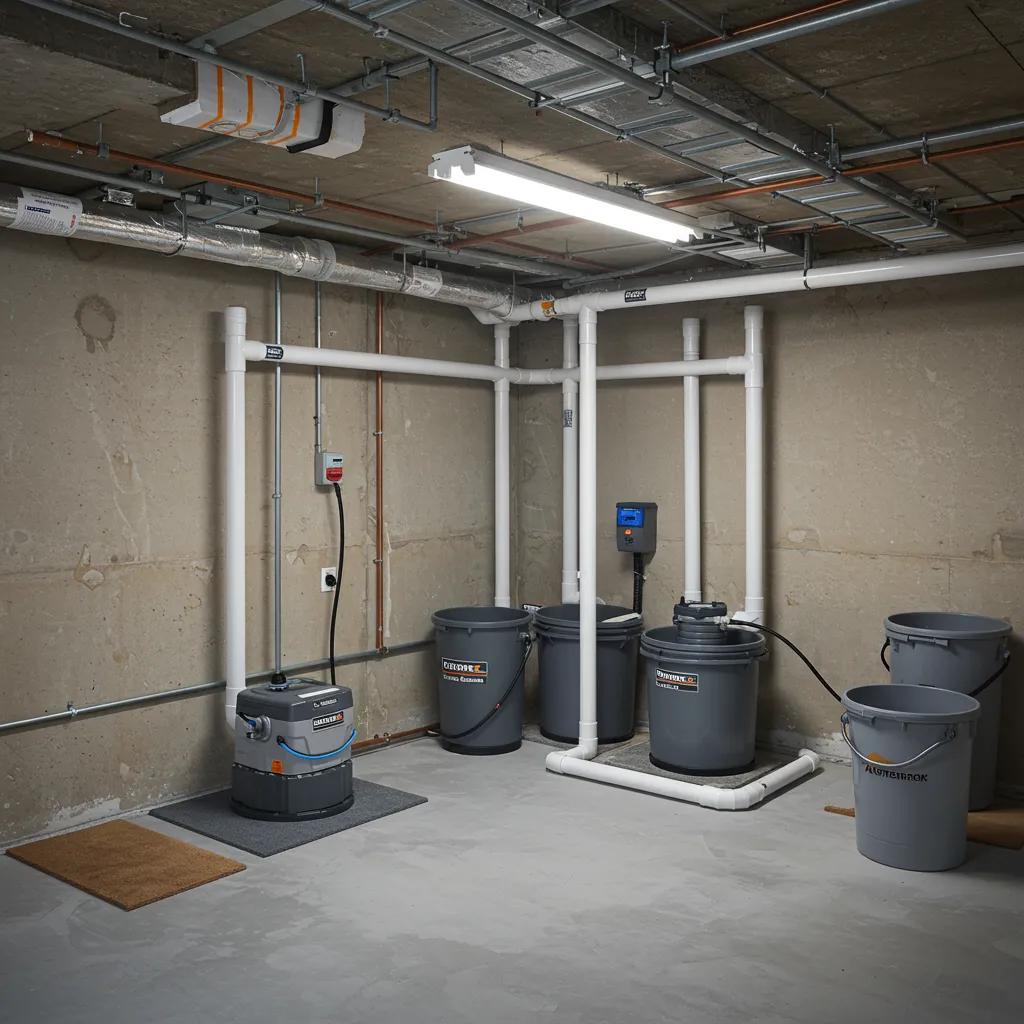
Interior waterproofingsystems use an interior perimeter drain or channel to collect groundwater that has entered or is about to enter the foundation, routing it to a sump basin where a pump expels the water away from the building. Sump pumps come in primary, backup, and battery-powered backup varieties; selecting the right type depends on flood risk and power reliability. Routine maintenance—inspecting the float switch, testing the pump, and ensuring the discharge line is clear—prevents failures that commonly occur during storms. Interior systems are often chosen when exterior excavation is impractical or cost-prohibitive, and they work well when combined with humidity control measures to manage residual moisture. Proper installation and backup power planning reduce the risk of pump failure during critical events, so consider professional installation when system complexity or structural risk is high.
What Exterior Waterproofing Techniques Protect Foundations from Water?
Exterior waterproofing typically involves excavating to expose the foundation wall, repairing visible defects, applying a continuous waterproof membrane or coating, and installing an exterior French drain or drainage mat to carry water away from the foundation. This approach addresses hydrostatic pressure at the source and reduces water load on the foundation, making it effective for long-term protection against heavy groundwater. Exterior work is more disruptive to landscaping and usually costs more, but membranes and robust drains tend to offer longer service life with lower maintenance needs than interior-only fixes. When exterior solutions are warranted, coordination with landscape restoration and careful consideration of site access are essential to minimize collateral damage. Exterior barriers combined with proper grading and surface drainage provide the most durable defense against recurring basementwater intrusion.
How Are Foundation Cracks Repaired to Prevent Water Entry?
Crack repair options include epoxy injections for structural stabilization and polyurethane injections for flexible water sealing; hydraulic cement patches are a quick but less durable option for small leaks. Epoxy restores structural capacity where cracks indicate load transfer issues, while polyurethane foam expands to fill and seal leaking cracks where continued movement occurs. The choice of technique depends on whether the crack is structural or non-structural, moisture presence during repair, and expected movement; a structural engineer may be required for load-bearing failures that suggest underpinning. Proper surface preparation, dry conditions if needed, and correct material selection are critical to long-term performance. Often, crack repair pairs with drainage improvements so that the repaired crack is not re-stressed by unchanged hydrostatic loads.
How Can You Prevent Future Wet Basement Problems?
Preventing wet basement recurrence relies on a combination of exterior site management, routine maintenance, and interior moisture control strategies that together keep water away from the foundation and reduce indoor humidity. Key preventive measures include maintaining proper grading, keeping gutters and downspouts clear and extended well away from the foundation, using dehumidifiers and vapor barriers, and conducting seasonal inspections for signs of settlement or plumbingleaks. A maintenance-oriented owner will schedule inspections, record observations, and act promptly on early warning signs to avoid costlier repairs. The table below presents a practical maintenance schedule with suggested actions and recommended frequency to make prevention actionable for homeowners.
Maintenance Action
Suggested Frequency
Notes / Purpose
Clean gutters and inspect downspouts
Twice annually (spring, fall)
Prevents overflow and foundation saturation
Check grading and soil slope
Annually and after major landscaping
Ensures surface runoff directs away from foundation
Test sump pump and backup power
Annually and before storm season
Verifies reliable discharge during high-water events
Inspect seals around windows and penetrations
Annually
Prevents localized water entry through openings
Monitor basementhumidity with a hygrometer
Continuous / review monthly
Keeps humidity within 30–50% to avoid mold growth
The following preventative checklist highlights immediate homeowner steps:
Inspect foundation perimeter and downspouts after heavy rain to observe water flow.
Keep soil and mulch several inches below siding and maintain a clear slope away from walls.
Install downspout extensions or splash blocks to direct roof runoff at least 6–10 feet from the foundation.
Why Is Proper Grading and Landscaping Essential for Basement Protection?
Proper grading and strategic landscaping control where surface water travels, preventing concentrations near the foundation that raise local groundwater and hydrostatic pressure. Achieving a 5% slope for the first 10 feet and avoiding landscape features that trap water against the house—like planters or mulch beds abutting walls—are simple, high-impact measures. Hardscapes should include engineered drains or swales to channel runoff to storm drains, and plantings should be placed where root systems will not interfere with subsurface drains. Regrading is often a cost-effective first step that reduces the need for more expensive subsurface interventions. Good grading directly complements drainage systems and lowers the incidence of seepage described in earlier sections.
How Do Gutter and Downspout Maintenance Help Keep Basements Dry?
Gutters and downspouts act as the first line of defense by collecting roof runoff and moving it away from the foundation; when clogged, they overflow and concentrate water at the base of walls. Cleaning gutters at least twice a year and inspecting for sagging sections or leaks prevents unintended runoff near the foundation. Downspout extensions should carry water several feet from the house or connect to a drainage system; splash blocks help but are less effective than properly pitched extensions. Gutter guards can reduce debris accumulation but require periodic cleaning themselves and may shift maintenance burden rather than eliminate it. Properly functioning roofdrainage reduces exterior water load and makes interior drainagesystems more effective when needed.
What Interior Moisture Control Methods Reduce BasementHumidity?
Interior moisture control focuses on reducing airborne and surface humidity through dehumidification, ventilation, and vapor barriers to prevent condensation and mold growth. Dehumidifiers sized to the basement’s cubic footage, placed near the most humid zones, and drained correctly provide continuous humidity control; target relative humidity is 30–50% to limit mold. Improving airflow with fans, ensuring HVAC systems are balanced, and sealing cold surfaces with vapor retarders reduces condensation on walls and pipes. For finished basements, selecting moisture-resistant materials and maintaining a small conditioned airflow into the space reduces the likelihood of hidden moisture accumulation. Consistent interior moisture control complements exterior drainage work to maintain a dry, healthy basement environment.
What Is the Cost of Basement Waterproofing and Repair in 2025?
Basement waterproofing costs in 2025 vary widely depending on method, site conditions, and geographic labor rates, but typical ranges help homeowners budget and compare contractor proposals. Interior perimeter drains with a sump pump commonly range from roughly $2,000 to $8,000 depending on finish work and pump selection, while exterior excavation and membrane systems run from about $8,000 to $25,000 or more for complex sites. Crack injections and localized repairs can be an order of magnitude lower per crack but may not address underlying hydrostatic issues. Primary cost drivers include excavation difficulty, materials (membranes, drain tile), labor and access, and any required landscape or hardscape restoration. The next table breaks down cost factors and typical ranges to make budget planning more transparent.
Cost Factor
Typical Range / Example
Impact on Price
Labor & access difficulty
20–50% of total cost
High for tight sites or deep excavation
Materials (membrane, drain tile)
$500–$5,000+
Varies with system choice and quality
Excavation and backfill
$1,000–$10,000
High when large areas or bedrock present
Permits and inspections
$100–$1,000
Regional variance; low to moderate impact
Landscape/hardscape restoration
$500–$6,000
Adds to total when driveways or patios affected
What Factors Influence Basement Waterproofing Costs?
Several site-specific factors determine the final price: the soil type and water table, the accessibility of foundation walls, the extent of damage or deterioration, and whether structural underpinning or lateral support is required. Clay soils and high water tables increase excavation difficulty and hydrostatic loads, raising costs, while easy access and sandy soils reduce excavation complexity. Hidden issues like drainage tile collapse, mold remediation, or deteriorated footings add to scope and cost once uncovered. Regional labor rates and permit requirements further influence total pricing, so obtaining multiple written estimates and line-item breakdowns assists in making apples-to-apples comparisons. Recognizing these cost drivers helps homeowners prioritize interventions that deliver the best value.
How Do Interior and Exterior Waterproofing Costs Compare?
Interior systems often present a lower initial cost and less landscape disruption compared with full exterior excavation, but their long-term effectiveness depends on the underlying cause of water entry. Exterior excavation with membrane installation typically costs more up front but can reduce long-term maintenance and recurring seepage if hydrostatic pressure is the root cause. Interior systems require ongoing sump pump maintenance and may have shorter lifespans for pumps and coatings; exterior membranes and drainage layers usually offer longer warranties and passive protection. When comparing options, weigh initial cost, lifecycle maintenance, expected lifespan, and potential landscape restoration to find the best long-term value for your property.
How Do You Choose the Right Basement Waterproofing Company?
Selecting a reputable waterproofing contractor requires verifying licenses and insurance, checking references and local project examples, understanding the proposed method in detail, and securing a written scope and warranty. Ask contractors for clear line-item estimates, evidence of insurance and licensing, and examples of similar recent work with references you can contact. Compare warranties—distinguish product warranties from workmanship guarantees—and confirm transferability if you plan to sell the property. These evaluation steps ensure you hire a firm whose proposed solution aligns with the identified cause and long-term protection goals. The checklist below provides practical questions and evaluation points to use during contractor interviews.
Checklist of questions to ask contractors:
Are you licensed and insured for this type of foundation and waterproofing work?
Can you provide references from similar projects completed in my area within the last two years?
What specific method do you recommend and why is it appropriate for my site conditions?
Can you provide a written scope of work, timeline, and itemized estimate?
What product and workmanship warranties do you offer, and are they transferable?
If you need professional quotes, request at least three written estimates that include a clear diagnostic of the moisture mechanism, an explicit description of the proposed work, a materials list, and warranty terms. Prioritize contractors who explain why their chosen method addresses the underlying cause rather than offering a single generic solution. Confirm insurance and licensing where applicable, and ask sellers to document product and workmanship warranties in writing. For homeowners balancing budget and durability, comparing life-cycle costs—initial price plus expected maintenance—helps identify proposals that deliver the best long-term value.
What Questions Should You Ask BasementRepair Contractors?
When interviewing contractors, phrase questions to elicit technical detail and references: ask how they diagnose hydrostatic pressure versus surface runoff, which materials they use for membranes and drains, and how they handle landscape restoration. Request documentation of past similar projects and contactable references to verify workmanship and timeline accuracy. Clarify expectations around timelines, staging, subcontractors, and disruption mitigation, and ask for a detailed payment schedule tied to milestones rather than large upfront deposits. Honest contractors will explain limitations and contingencies that could affect price and schedule. These focused questions reduce ambiguity and help you select a contractor equipped to deliver a reliable solution.
What Warranties and Guarantees Should You Expect?
Typical warranty types include product warranties for membranes and pumps and workmanship warranties that cover installation defects; durations vary but often range from 5 to 25 years depending on the component and provider. Transferable warranties add property resale value by assuring future owners that the waterproofing work is protected, and clear warranty registration steps help validate coverage. Read warranty fine print for exclusions—such as damage from homeowner alteration or failure to maintain a sump pump—and ask how claims are handled. Documenting the warranty in the contract and keeping maintenance records strengthens any future claims and clarifies responsibilities between homeowner and contractor.
Product Warranty: Covers materials like membranes and pumps for a stated period.
Workmanship Warranty: Covers installation errors or defects for a defined term.
Transferability: A transferable warranty preserves value for future property sales.
Understanding and documenting warranties reduces future disputes and clarifies long-term obligations.
Conclusion: Invest in Long-Term Basement Protection
Jonathan Welter is the Owner and Founder of Dry Otter Basement Solutions, a trusted leader in basement waterproofing and foundation repair across the Carolinas. With decades of hands-on experience, Jonathan has helped hundreds of homeowners prevent costly basement water leaks, repair foundation issues, and install reliable sump pump and drainage systems. His mission is to educate homeowners on how to protect their investments through long-lasting basement waterproofing solutions designed for every home’s unique challenges.
