Your Go-To Guide on Foundation Repair Services - Don’t Wait!
The Complete Guide to Foundation Repair Services: What Homeowners Need to Know About Costs, Signs, and Methods
By Jonathan Welter, Owner & Founder of Dry Otter Basement Solutions
Jonathan Welter is a structural and waterproofing specialist with over two decades of experience helping homeowners protect their properties through expertfoundation repair services, basement waterproofing, and drainage correction systems. At Dry Otter Basement Solutions, he leads a team dedicated to diagnosing foundation cracks, settlement issues, and water intrusion problems with precision engineering and modern repair methods like helical piers, push piers, and slab jacking. His insights in this guide are grounded in real-world projects across the Carolinas, giving homeowners the knowledge to make confident, cost-effective decisions about foundation stability and repair.
Foundation repair services are the set of structural interventions that restore a building’s load-bearing base, stopping movement and water intrusion while protecting property value and occupant safety. This guide explains how foundation repair works, why timely action matters, and what homeowners should expect when diagnosing, budgeting for, and selecting methods such as helical piers, push piers, slab jacking, and polyurethane foam injection for concrete. Many homeowners delay intervention because early signs—small cracks or sticking doors—can appear cosmetic, yet those symptoms often indicate progressive settlement or hydrostatic pressure that worsen without remediation. This article provides a practical roadmap: how to recognize damage, what causes foundation problems, a method-by-method comparison of repair approaches, realistic cost drivers and financing options, prevention tactics for long-term stability, and clear criteria for hiring a foundation repair contractor. Throughout, we reference structural engineerfoundationinspection principles, geotechnical considerations, and emerging trends like smart foundation sensors to help you make evidence-based choices about foundation repair services and avoiding costly surprises.
What Are the Common Signs of Foundation Problems Every Homeowner Should Recognize?
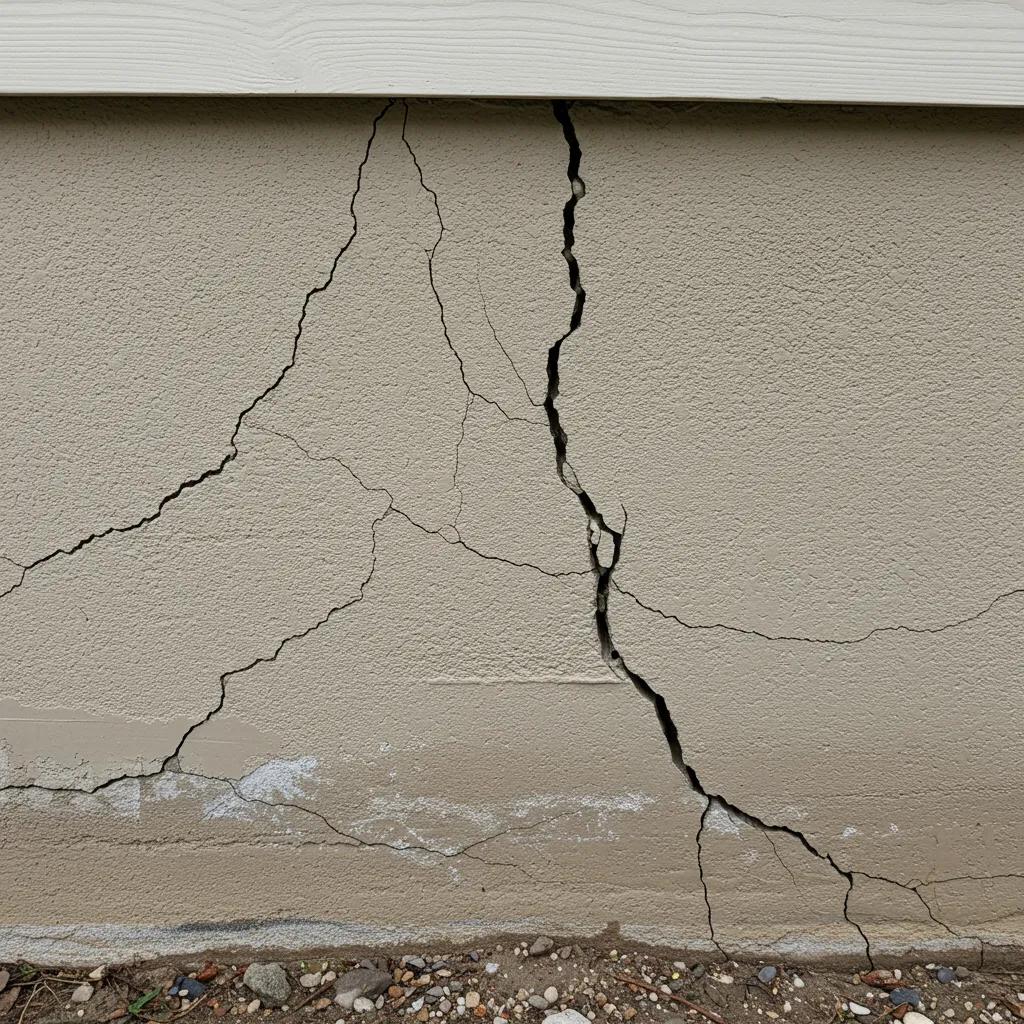
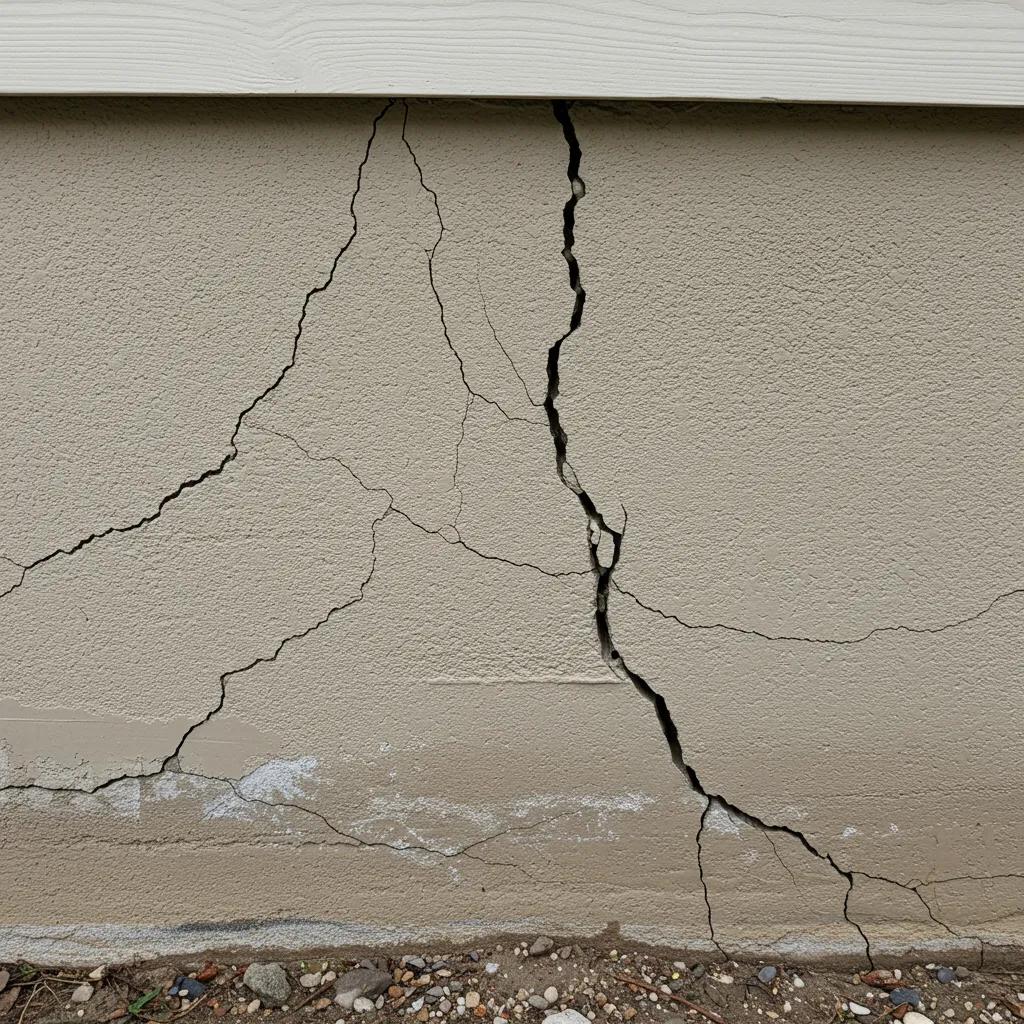
Foundation problems manifest through a range of observable symptoms that indicate movement, water intrusion, or structural distress; detecting these early reduces repair scope and cost. Cracks, uneven finishes, and operational problems with doors/windows are common manifestations because foundation movement changes the geometry of load-bearing elements, which transfers stresses to finishes and openings. Identifying whether a crack is cosmetic or structural begins with pattern and location: vertical hairline cracks often reflect normal shrinkage, while horizontal or stair-step cracks signal lateral soil pressure or differential settlement that require prompt evaluation. This section gives a concise checklist and practical monitoring tips so homeowners can prioritize inspections and escalate to a structural engineerfoundationinspection when indicators suggest progressive failure.
Signs every homeowner should watch for include:
Visible foundation cracks: Horizontal, stair-step, or wide vertical cracks near corners or load-bearing walls.
Interior finish issues: Doors and windows that stick or fail to latch properly.
Floor and wall irregularities: Sloped or uneven floors and gaps between walls and ceilings.
Water intrusion: Persistent basement dampness, sump activity, or new puddling near the foundation.
These signals help homeowners decide whether to monitor, mitigate drainage, or hire a professional; the next subsection explains how to identify and document interior and exterior foundation cracks for accurate diagnosis.
How to Identify Interior and Exterior Foundation Cracks
Interior and exterior foundation cracks differ in pattern and implication, and distinguishing them helps determine urgency and repair method. Horizontal cracks in basement or crawl space walls frequently point to lateral earth pressure or hydrostatic load and are more urgent than narrow vertical hairline cracks that often result from concrete shrinkage. Stair-step cracks in block foundations commonly indicate differential settlement where parts of the foundation sink unevenly, and exterior cracks near downspouts or tree wells often tie into drainage or root activity. Homeowners should measure crack width, photograph with date stamps, and use simple gauges or marked tape to monitor progression; documented growth over weeks or months typically signals active movement and the need for a structural engineerfoundationinspection. Proper classification of cracks improves contractor recommendations and narrows method choices like crack injection, wall anchors, or piering.
What Other Indicators Signal Foundation Damage Like Uneven Floors and Water in Basements?
Non-crack indicators such as uneven floors, bowed or bulging basement walls, and recurrent water problems often accompany or precede visible cracking and reveal systemic issues. A quick DIY check—rolling a small ball across floors to detect slope, measuring door gaps, or checking for new gaps at baseboards—can reveal settlement patterns that require deeper evaluation. Bowing walls commonly stem from lateral pressure and may be paired with horizontal cracks or soil hydrostatic force; water intrusion often accelerates soil movement through saturation and washout, linking plumbing leaks or poor surface drainage to foundation damage. When multiple indicators appear together—sloping floors plus basementwater—homeowners should prioritize a geotechnical report and structural engineerfoundationinspection to establish cause and appropriate remedy, because combining diagnostics reduces the risk of under- or over-designing the repair.
What Causes Foundation Problems and How Do Environmental Factors Affect Your Home’s Foundation?
Foundation movement is primarily driven by interactions among soil behavior, moisture changes, and construction practices; understanding these causes clarifies which repair or prevention steps will be effective. Expansive clay soils swell with moisture and shrink during dry periods, producing vertical movement (heave and settlement), while sandy or erodible soils can wash out under increased flow or leaks, causing voids and settlement. Surface water that pools near footings, inadequate grading, clogged gutters, and failing drainage systems concentrate moisture cycles that amplify soil volume changes, and buried plumbing leaks can erode soil support over time. Because the mechanism ties cause to symptom, accurate diagnosis often begins with geotechnical investigation and structural engineerfoundationinspection to identify whether soil stabilization, drainage correction, or mechanical underpinning is the appropriate remedy.
Common environmental and anthropogenic causes include:
Expansive soil cycles: Swelling and shrinking from moisture variation.
Poor drainage and grading: Concentrated water near the foundation increases hydrostatic pressure.
Plumbing leaks and erosion: Undetected leaks wash away supporting soils.
Construction and compaction defects: Insufficiently compacted backfill or undersized footings.
Recognizing these drivers helps homeowners connect specific symptoms to likely remedies; the next subsection details how different soil types and drainage patterns influence foundation stability.
How Do Soil Types and WaterDrainage Impact Foundation Stability?
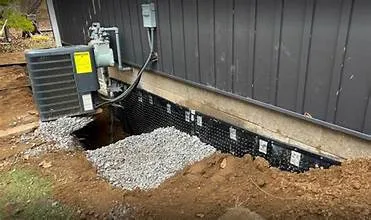
Soil type controls how the ground transmits loads and reacts to moisture; expansive clays exert uplift or settlement, while compressible organic soils settle slowly under load. Expansive clay experiences repeated cycles of wetting and drying, which alternately lifts and drops foundations, producing cracks and misalignment over years. Conversely, granular sandy soils may drain well but can erode when scoured by concentrated flow from downspouts or leaks, creating voids and sudden settlement. Effective drainage strategies—positive grading away from the foundation, functioning gutters and downspouts, and sub-surface systems like French drains—modulate soilmoisture and reduce movement, so addressing drainage is often the first recommended step before structural underpinning.
What Role Do Plumbing Issues and Construction Practices Play in Foundation Damage?
Plumbing leaks, sump pump failures, and poor initial construction practices frequently underlie foundation failures, because they alter subsurface moisture distribution and soil compaction over time. A buried leak adjacent to a footing can slowly wash away soil or soften clay, initiating settlement decades after construction, and poor compaction of backfill or lack of proper footings can leave portions of the foundation unsupported from the start. Identifying plumbing-related causes requires inspection of interior plumbing, irrigation systems, and sump performance; addressing visible construction defects may involve retrofit footings or piering to transfer load to competent strata. Pinpointing the root cause prevents repeating repairs and informs whether the long-term solution is soil stabilization, drainage correction, or structural underpinning.
What Are the Different Types of Foundation Repair Methods and How Do They Work?
Foundation repair methods transfer loads, restore geometry, or control moisture; selecting among helical piers, push piers, slab jacking, crack injection, and wall anchors depends on underlying cause, soil conditions, and homeowner priorities. Piering methods transfer building loads to deep, competent soil or bedrock using driven or screwed elements, offering long-term stabilization for settlement caused by compressible soils or undermining. Slab jacking or polyurethane foam injection addresses localized slab settlement by filling voids and lifting concrete with minimal disruption, while crack injection (epoxy or polyurethane) restores water-tightness and structural continuity for non-moving cracks. Understanding trade-offs—cost, disruption, longevity, and suitability—lets homeowners match methods to symptoms and long-term performance expectations.
Below is a comparison table to help homeowners weigh common repair options by mechanism, typical application, and pros/cons.
Repair Method
How It Works / Typical Application
Pros / Cons / Typical Cost Range
Helical piers
Screw into competent strata and attach to foundation to lift/hold; used for settling foundations
Pros: Immediate load transfer, adjustable lift. Cons: Visible above-grade brackets, higher labor. Typical range: moderate–high depending on depth
Push piers
Driven to refusal and hydraulically jacked to stabilize and lift foundation; best for heavy loads
Pros: Durable, suitable for large loads. Cons: Requires clearance for rigging. Typical range: moderate–high
Slab jacking / Polyurethane injection
Inject grout or expanding foam beneath slab to fill voids and lift concrete
Pros: Low disruption, quick. Cons: Less effective for widespread settlement. Typical range: low–moderate
Crack injection (epoxy/polyurethane)
Inject resin to seal and bond cracks or to stop water infiltration
Pros: Cost-effective for non-moving cracks. Cons: Not for active structural movement. Typical range: low
This EAV comparison clarifies when each method is appropriate and the trade-offs homeowners should expect; the next subsections dig deeper into piering and combined-method scenarios.
How Do Piering Methods Like Helical and Push Piers Stabilize Foundations?
Piering stabilizes foundations by creating a direct load path to stable soil or bedrock, halting settlement and often lifting the structure back toward original elevation. Helical piers are installed by rotating screw-like shafts into the ground until reaching competent strata, offering rapid installation with adjustable torque-based load verification; they suit sites with moderate obstructions and where minimal vibration is desired. Push piers are hydraulically driven to refusal and then used to jack the foundation, handling heavier loads and deeper competent layers, which is effective when significant bearing capacity is needed. Installation timelines vary but typically complete in days for most residential jobs, and both pier types offer long-term performance when accompanied by proper engineering and drainage correction.
Experimental Investigation of Grouted Helical Piers for Foundation Rehabilitation It is hypothesized that these grouted helicalpier systems could address foundation repair needs by providing a stable and durable solution for structural support. The experimental investigation aims to validate the effectiveness of these systems in various soil conditions, ensuring their reliability for foundation rehabilitation. Experimental investigation of grouted helical piers for use in foundation rehabilitation, TC Hutchinson, 2008
The effectiveness of helical piers in stabilizing foundations is a subject of ongoing research and practical application.
When Are Slab Jacking, Crack Repair, and Wall Anchors Used in Foundation Repair?
Slab jacking and polyurethane foam injection are favored when settlement is localized—sunken patios, garage slabs, or isolated interior slab depressions—and when minimal excavation is desired; they restore level surfaces and fill voids efficiently. Crack repair through epoxy or polyurethane injection suits non-moving cracks that require structural bonding or watertight sealing; epoxy restores strength, while flexible polyurethane addresses leak control. Wall anchors and carbon fiber straps are applied to bowing or leaning basement walls, with wall anchors offering permanent lateral restraint by tying interior walls to stable exterior anchors, and carbon fiber straps providing a low-profile reinforcement option. Often repairs combine methods—piering to stop settlement plus wall anchors to correct lateral issues—to deliver comprehensive, durable results.
Injected Polyurethane for Slab Jacking and Concrete SlabRepair Conventional methods for raising in-place concrete slabs to align roadway sections or to address settlement issues often involve complex procedures. Injected polyurethane, such as the URETEK Method, offers a less invasive and potentially more efficient alternative for lifting and stabilizing concrete slabs. Injected polyurethane slab jacking, 2002
Injected polyurethane offers a less invasive approach to concrete slabrepair and stabilization.
How Much Does Foundation Repair Cost and What Factors Influence Pricing?
Foundation repair costs vary widely because pricing reflects chosen methods, severity, soil conditions, and access challenges; national averages depend on method and project scale, and severe cases can exceed tens of thousands of dollars. Commonly, localized crack injection or polyurethane slab jacking fall at the lower end of cost, while full pier systems (helical or push piers) and extensive wall anchoring represent higher investments due to materials, engineering, and labor. Key cost drivers include the degree of structural movement, required depth to competent soil, home size and load, site access and landscaping disruption, permit and inspection fees, and whether a geotechnical or structural engineer report is necessary. Understanding these drivers equips homeowners to evaluate estimates and anticipate scenarios where costs may escalate beyond typical ranges.
Below is a table showing how primary cost factors influence pricing and the typical impact on project cost.
Cost Factor
Description
Impact on Cost / Typical Range
Severity of damage
Extent of settlement, wall bowing, or structural cracking
High impact; minor cosmetic repairs low cost, major underpinning $10k–$30k+
Soil conditions
Depth to competent strata, expansive soils, erosion
High impact; deep piers increase cost significantly
Access and site constraints
Landscaping removal, restricted work areas, utility locations
Moderate impact; poor access raises labor and equipment costs
Engineering & permits
Geotechnical report, structural drawings, municipal permits
Moderate impact; required for larger or insured claims
This EAV table helps homeowners prioritize which factors to address or negotiate; the following H3s present average ranges and financing options.
What Are the Average Costs for Common Foundation Repair Methods?
While regional variation is significant, common benchmarks help set expectations: simple crack injection and small-area polyurethane slab lifting are often on the lower end, mid-range methods like limited pier installations or wall anchors fall in the middle, and full-house underpinning or major stabilization can push into higher ranges exceeding $20,000 for extensive projects. Cost increases when geotechnical work, engineering designs, and permit processes are required, and emergency interventions or hard-to-access sites add labor premiums. When reviewing proposals, homeowners should request itemized estimates showing materials, labor, engineering, and any follow-up monitoring to compare bids fairly and identify hidden cost drivers.
Helical Piers: A More Efficient Foundation Alternative In the face of a housing shortage and climate crisis, helical piers, a widespread technology used since the mid-1800’s, is a style of foundation that offers higher efficiency than traditional foundation types. This study focuses on why builders continually use traditional foundation building practices that take longer to install, require more skilled labor, and have larger embodied and operational carbon emissions associated with them, than building with helical piers. Helical Piers. What is needed for the successful introduction of helical piers in Guilford County, NC., 2024
Helical piers have a long history and offer a more efficient foundation alternative compared to traditional methods.
What Financing Options Are Available for Home Foundation Repair?
Homeowners have multiple financing avenues depending on urgency and loan eligibility, including home equity lines or loans, personal loans, contractor payment plans, and in some cases insurance claim processes if damage is covered by policy terms. Each option carries trade-offs: home equity financing often provides lower interest rates but uses the home as collateral, personal loans are unsecured but carry higher rates, and some contractors offer staged payment plans that ease cash flow but may increase total cost. A simple amortization example helps compare options: spreading a $15,000 repair over 10 years at a typical secured rate yields lower monthly payments but longer interest costs, whereas a shorter unsecured loan reduces total interest but increases monthly payments. Homeowners should compare rates, fees, and timelines and verify whether warranty or insurance provisions will offset part of the expense.
How Can Homeowners Prevent Foundation Problems Through Maintenance and Early Detection?
Preventing foundation problems centers on controlling water near the foundation, maintaining consistent soilmoisture, and scheduling routine inspections to detect early signs of movement; these actions reduce the likelihood and severity of future repairs. Proper gutter and downspout maintenance, grading to slope away from the foundation, and managed irrigation near the house moderate moisture cycles that drive expansive soil movement. Vegetation planning, such as keeping large trees a safe distance from foundations, and prompt repair of plumbing leaks protect subsurface soils from erosion and saturation. This section includes actionable measures, a prioritized prevention table, and monitoring frequency recommendations so homeowners can allocate maintenance resources effectively.
Preventative measures to prioritize include:
Maintain gutters and downspouts: Ensure water is directed at least several feet away from foundations.
Grade soil away from the house: Create a consistent slope to prevent pooling and channel runoff.
Manage landscape irrigation: Avoid overwatering near footings and plan tree placement wisely.
Implementing these steps reduces seasonal soil movement and often delays or prevents the need for structural repairs; the following table compares measures by effectiveness, frequency, and estimated cost.
Preventative Measure
Action
Effectiveness / Frequency / Estimated Cost
Gutter/downspout management
Clean and extend downspouts away from foundation
High effectiveness, annual checks, low cost ($0–$200)
Grading and swales
Regrade soil to slope and install swales
High effectiveness, one-time plus occasional maintenance, moderate cost ($500–$3,000+)
French drain / sub-surface drainage
Install drains to intercept groundwater
Very effective for persistent problems, professional install, higher cost ($1,000–$5,000+)
Landscaping practices
Maintain trees at safe distances and control irrigation
Moderate effectiveness, ongoing maintenance, low–moderate cost
What Are Effective Drainage and Landscaping Practices to Protect Foundations?
Effective drainage practices focus on moving water away from the foundation before it infiltrates soil near footings, using gutters, downspouts, grading, swales, and where necessary, French drains or sub-surface systems. Gutters should be cleaned seasonally and downspouts extended to discharge several feet from the foundation; grading must slope away from the house at a gentle but consistent pitch to avoid creating new runoff paths toward nearby structures. French drains or perforated sub-surface piping intercept groundwater in problematic yards, and landscape design should place large trees and high-water-use shrubs at distances that reduce root and moisture impacts on foundations. Combining these measures addresses both surface and subsurface water, reducing the cycles that drive expansive-soil movement and settlement.
How Often Should Homeowners Inspect Their Foundation and What Should They Look For?
Regular inspection cadence—annual checks plus additional reviews after major storms, droughts, or plumbing work—lets homeowners detect incremental changes before they escalate into costly repairs. During inspections, look for new or widening cracks, changes in door/window operation, wet spots or persistent dampness in basements, fresh soil depressions, and any changes in floor slope using a small level or rolling object. Document findings with dated photographs and simple measurements to detect progression over time; if indicators show active movement or water persistence, escalate to a structural engineerfoundationinspection and consider geotechnical evaluation. Proactive monitoring paired with preventive maintenance often limits repair scope and preserves property value.
When and How Should You Hire a Foundation Repair Contractor? What Questions Should You Ask?
Hire a foundation repair contractor when signs indicate active structural movement, significant water intrusion, or when a structural engineer recommends intervention; selecting the right professional hinges on verified qualifications, transparent proposals, and clear warranty terms. A reputable contractor will reference engineering involvement, provide itemized estimates, explain method choices (e.g., helical piers vs push piers), and outline timelines and site disruption. Homeowners should collect multiple bids, verify licensing and insurance, and confirm that the proposed remedy addresses both symptoms and root causes such as drainage or plumbing, because repairs without remediation of underlying drivers risk recurrence. This section supplies a checklist of essential questions and red flags to guide contractor selection.
Questions to ask every prospective contractor:
Do you provide a written, itemized estimate and timeline?
Will a structural engineer or geotechnical report guide the proposed repair?
What warranty do you offer for workmanship and materials, and is it transferable?
Can you provide references and case studies for similar local projects?
How will you protect landscaping and restore affected areas?
What monitoring or follow-up is included after completion?
These questions clarify scope and accountability, and the next subsections describe reputation markers and warranty considerations.
What Qualities Define a Reputable Foundation Repair Professional?
Reputable professionals demonstrate transparent proposals, engineering collaboration, verifiable references, appropriate licensing and insurance, and clear communication about risks and outcomes; these markers reduce project uncertainty. Request references and recent project photos, verify that engineers are involved when appropriate, and confirm that estimates itemize foundation methods, materials, permit needs, and remediation of underlying causes like drainage. Red flags include vague scopes, pressure to sign immediately, all-cash deals, or lack of written warranty; avoiding these helps homeowners engage contractors who deliver durable, documented outcomes. Contractors who pair structural engineering with practical site solutions typically produce more predictable long-term performance.
How Do Warranties and Long-Term Effects Influence Contractor Selection?
Warranties vary by provider and method—common offerings include workmanship guarantees, materials warranties, and limited lifetime transferability in some cases—and understanding exclusions is essential when comparing proposals. A transferable warranty can add resale value, but homeowners should read terms for caps, conditions, and maintenance requirements that could limit coverage; typical exclusions include damage from later plumbing leaks or new soil conditions caused by neighbors. Long-term effects such as residual settlement or changes in load paths may require monitoring; contractors who include post-repair monitoring and clear documentation make it easier to address future issues under warranty. Get warranty terms in writing and confirm the process for filing claims to avoid surprises.
Jonathan Welter is the Owner and Founder of Dry Otter Basement Solutions, a trusted leader in basement waterproofing, crawl spacerepair, and foundation restoration throughout the Carolinas. With more than two decades of field experience, Jonathan has helped hundreds of homeowners stop basementwater leaks, repair structural issues, and safeguard their homes with long-term waterproofing systems. His dedication to quality craftsmanship and homeowner education has made Dry Otter Basement Solutions one of the region’s most reliable names in foundation and moisture control services.
To learn more or schedule a free inspection, visit .
